We have a house!
If you don’t know, we moved to New Zealand. But let’s go back a little bit.
It’s hard to find a long-term rental in New Zealand without being here: most landlords and property managers want to have seen you in person before they offer you a place, and even if that weren’t true, it’s hard to figure out whether a space will work for your needs without actually walking through it. So when we landed, we stayed for the first two weeks in an AirBnB. It was a lovely house in a lovely neighborhood, but a good deal too small for our needs.
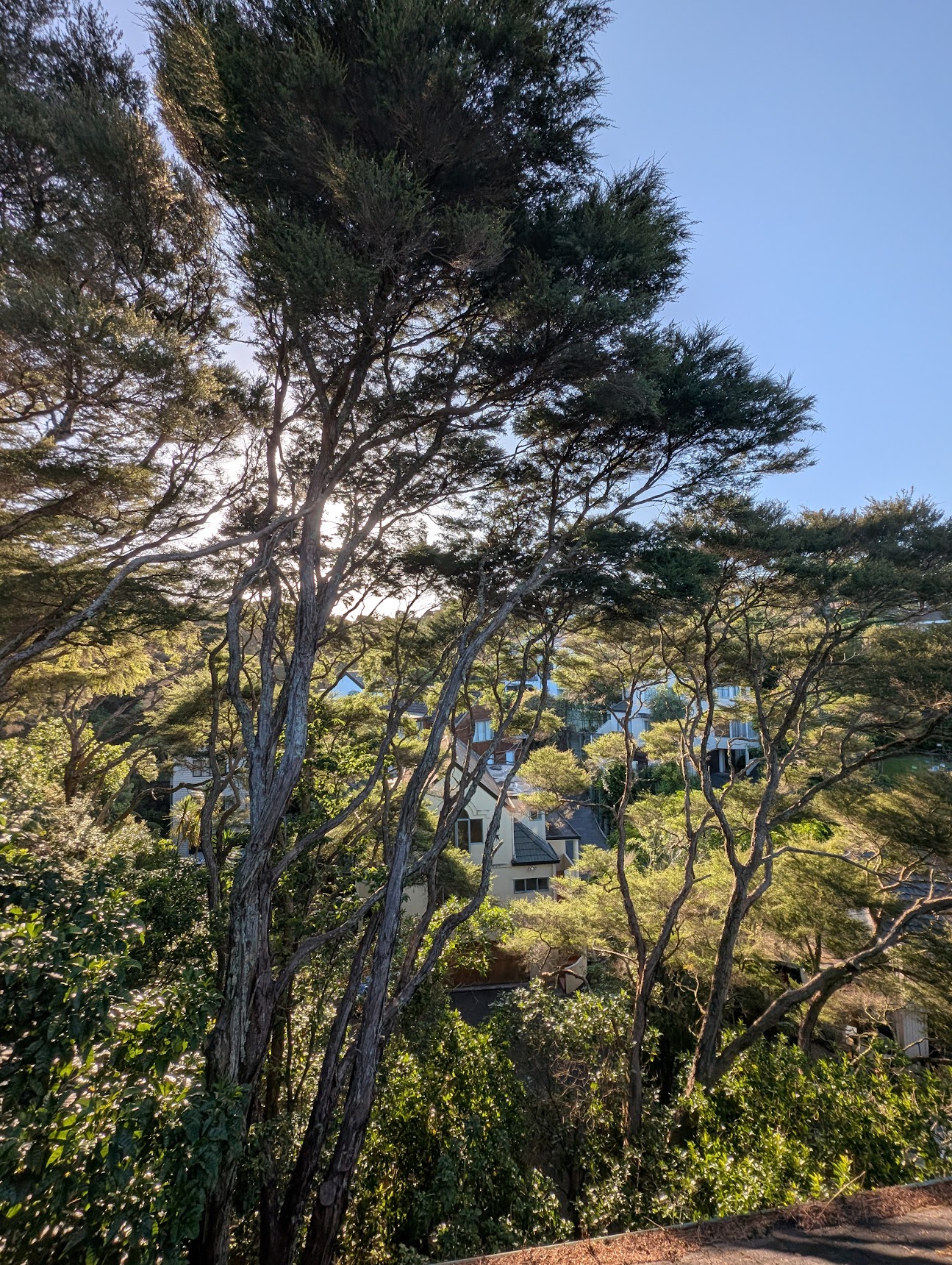
An actual photo from the window at our AirBnB. This country is absolutely stunning.
Plus, they don’t tend to let you stay in an AirBnB forever. So we needed a long-term house; but to protect the country from a housing crisis like the U.S. is facing right now, New Zealand restricts home ownership on the island to permanent residents and citizens. We aren’t either one, which means we’re renting.
So, starting a few days after we landed, we went to house showings; eighteen of them over the course of a week, criss-crossing all of Auckland until our brains were spinning and falling out of our ears. We saw houses in Wai O Taiki Bay, Highland Park, Howick, Mission Bay, St. Heliers, Greenlane, Ellerslie, and Mount Wellington. We learned (and promptly forgot) so much about the neighborhoods of Auckland. We saw new houses and old houses, hidden gems and sad disappointments.
-
- A really nice house in Howick.
-

- Look at this beautiful house. Look at it! It was too small, but look!
-
- Stonefields: the most Americanesque (and strangely empty) neighborhood we visited.
-

- A lovely–and very modern–town house in Mission Bay.
-
- Inside that door in the kitchen is…another kitchen. A whole kitchen.
Amidst the melting of our brains, we discovered a few really interesting things about houses and neighborhoods in New Zealand (or at least in Auckland):
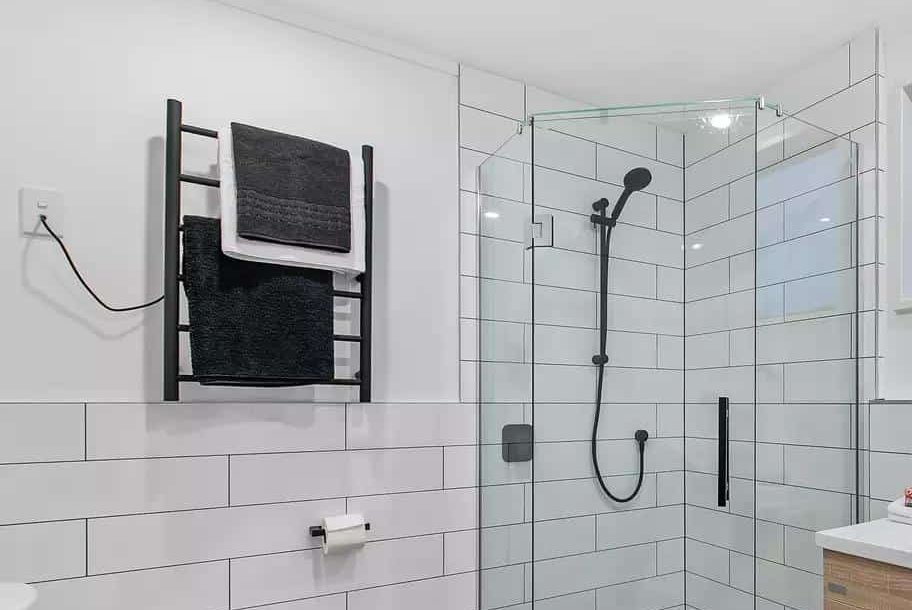
- Every single bathroom in every single house we visited had a heated towel bar. Every one. No exceptions.
- This city is covered with parks! Down here they call them “reserves”—but they’re parks of various types and sizes. Some of them are “bush reserves” (wilderness parks), some are playgrounds, some are sporting fields. But they’re all impeccably maintained, they’re in every neighborhood, and most of them are bigger than all but the biggest parks in Indianapolis. I took a walk through the Dingle Dell Reserve, and it was like wandering through a rainforest.
- They really pack the houses in! In order to accommodate the aforementioned reserves while maintaining a population density pretty close to that of Indy, houses in Auckland are often stacked 2, 3, 4+ deep on a lot. Very few homes have more than a little bitty yard; though all of them have a deck or patio, many have balconies (often more than one), and they’re all within easy walking distance of a gigantic park.
- Smaller houses are kind of the norm. While there are definitely McMansions in Auckland, most homes have space for about four people or so. A family of six would be a bit cramped in many of the houses we saw, and we consider ourselves blessed to have found a place big enough for all of our people.
- Each neighborhood has a very distinct character. The area that’s officially called “Auckland” now is really just five smaller cities in a trench coat, and within each of those cities (Auckland, Manukau, North Shore, Papakura, and Waitakere) are dozens of “suburbs;” not suburbs as in “outside of the city” (the Central Business District is a “suburb”), but rather as in subdivisions of the city. Each of those neighborhoods is distinct, with its own local flavor that changes in less than a block. Northpark and Stonefields are both very American-style communities, complete with cul-de-sacs and weavy roads; Mission Bay is a beach community clinging to the side of a very steep hill; Greenlane is a quiet neighborhood with residents who all seem to know each other; Mount Roskill feels like a rural village in the middle of the city; Ponsonby is a hipster paradise.
- Auckland’s housing market treats things as “standard” or “luxury” in a really different way from what we’re used to. I mentioned the heated towel bars at the beginning—that’s absolutely standard. Designed closets with built-in shelving units and drawers? Standard. Carpeted garages? Not exactly standard, but definitely not unusual.
Elevatorslifts in the house? We saw three houses with ’em. But bug screens on the windows? Now that’s luxury. Clothes dryers? The newer houses all have places for them, but old houses often don’t. Refrigerators? Believe it or not, renters often keep their fridge and move it around from house to house. Central air? Very posh (I don’t think we saw a single home with whole-house forced-air of any kind); many houses were proud to announce that they had a heat pump. In a single room. - Almost every house was within walking distance of something. “Um, ackshully, every house everywhere is in walking distance of something.” Yes yes, I mean something interesting. This city is way more walkable than it looks on a map. We saw a few houses that were a 10-15 minute walk away from a grocery store, a beach, multiple parks (including one at their back doors or across the street), a school, a library, a bus stop, and a shopping mall; but every house seems to be within easy walking distance of at least two or more of those amenities.
- Most houses have a great relationship with the outdoors, despite having no real yard to speak of; a majority of them had a big glass door or two that open off of the main room onto a lush garden. Trees are ubiquitous around here, and it’s notable when there’s a neighborhood without them. You can almost always get a good cross-breeze through any house.
- There are a lot of schools everywhere. Each neighborhood has their own, and they’re huge. If I drive a particular route to IKEA, I pass like five schools in the first ten minutes.
Over the course of the search, we found ourselves drawn toward the Eastern Bays, collectively known as Ōrākei. By chance or divine favor, we found a house there in our price range that checked all of our boxes, including walkability to the places we need to go; as well as great views of the ocean and of Rangitoto Island. And while it doesn’t have a yard, the gate opens right onto a public green that’s perfect for kids to run in. We applied, and on our way back from Hobbiton (more on that another time), they called and told us that we were approved, and that we could move in the following week!
Since then, we’ve been admiring the views and buying so much furniture. We also started school and experienced two local holidays. But we’ll check back in with you on that other stuff another time.


Leave a Reply